
[TABLE]
The illusion of “instant” translation: fast, impressive… and catastrophic for security
States have secret procedures, security clearances, thousands of pages of doctrine.
Yet a rushed employee can destroy all of this in 20 seconds, simply by submitting a sensitive translation to ChatGPT.
Why?
Because these models are not accredited for ‘top secret’ clearance.
A translator is.
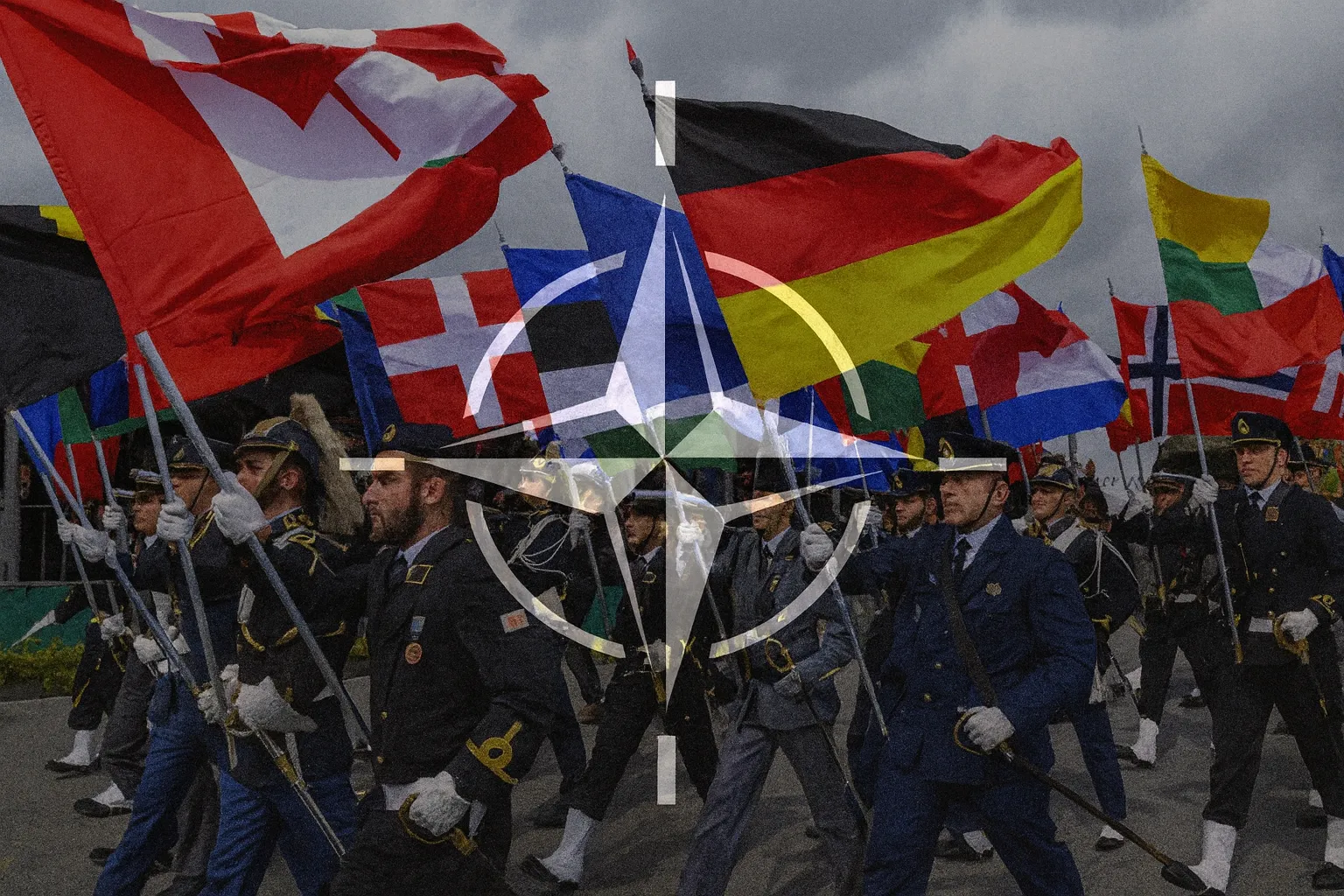
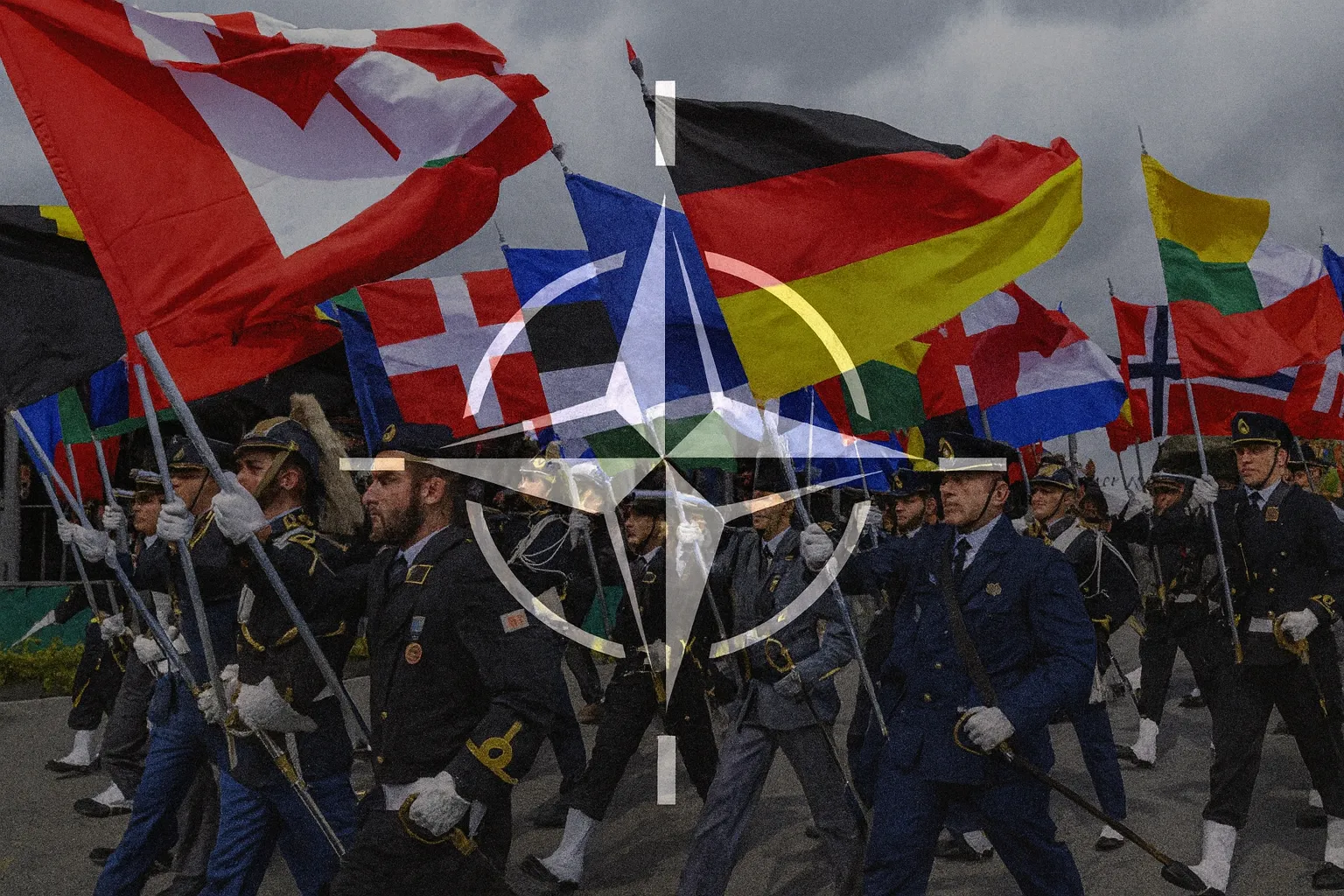
NATO has repeated it for 20 years: translation is strategic
The AJP-01 Allied Joint Doctrine (NATO, 2022) states it plainly:
Accredited human translation is a “critical function of multinational command”.
In European businesses, the reality is quite the opposite. Strategic documents, sometimes linked to the defence industry, public procurement, or critical infrastructure, are translated using public AIs hosted outside Europe, most of which are subject to the US Cloud Act (2018).
When AI breaks down the barriers of top-secret security
Here’s why AI cannot guarantee the security of your data to be translated:
- It does not guarantee data deletion,
- It cannot be audited,
- It cannot be accredited by a national authority,
- It is not localised,
- It remains vulnerable to leaks (training, logs, staff access, etc.).
In February 2024, the Pentagon issued an official note:
“No public AI should be used for sensitive or classified content.”
Source: DoD – “Generative AI Guidance”, 2024.
The British Army issued the same ban in 2023.\
Source: UK MoD, Policy Note, 2023.
Accidental leaks are already happening — and they are costly
• Samsung, 2023 → three major leaks: engineers pasted source code into ChatGPT.
Source: Bloomberg, April 2023.
• Motorola, 2023 → total ban on LLMs for translating or analysing sensitive documents.
Source: The Register, July 2023.
If these multinationals are vulnerable…\
Imagine what this means for an SME subcontractor in aerospace, cybersecurity, or energy.
The real danger: the geopolitical translation error
AI does not always know how to:
- distinguish Deconfliction from de-escalation,
- avoid NATO/EU false friends,
- correctly translate weapons systems,
- interpret classified acronyms,
- decode deliberately ambiguous diplomatic terms.
In a military context, a mistranslation can cause:
an incident, a diplomatic breakdown, or even a misfire.
What an accredited translator guarantees (and no AI ever will)
✔ Total confidentiality
✔ Work on European servers
✔ Verifiable security chain
✔ Strict compliance with NATO standards (STANAG 6001)
✔ Geopolitical awareness
✔ Professional responsibility
✔ Terminological and doctrinal accuracy
Alpis: translation that truly respects top-secret security
At Alpis:
- Our translators are sworn,
- Our servers are hosted in Europe,
- Our processing chains are secure,
- Our strategic translations are 100% human,
- Our protocols comply with NATO doctrines and French confidentiality requirements.
Where AI opens vulnerabilities, Alpis closes them.
Conclusion
The question is no longer:
–> “Can AI translate?”
The answer is yes.
The real question is:
–> “Do you want an American or Chinese AI to read your sensitive documents before your own management does?”
Security is non-negotiable.
So is translation.
Sources
- Department of Defense (USA) — Generative AI Guidance, Feb 2024
- UK Ministry of Defence — Policy Note on Public LLM, 2023
- NATO — AJP-01 Allied Joint Doctrine, 2022
- NATO — STANAG 6001
- Bloomberg — “Samsung Workers Accidentally Leak Sensitive Data to ChatGPT”, 2023
- The Register — “Motorola bans sensitive translation through LLM”, 2023