
Imagine yourself standing before a court, holding a crucial document in a foreign language, its contents determining the outcome of your case. Or perhaps you are seeking to immigrate to a new country and the authorities require certified translations of your official documents. In such situations, sworn translation becomes your essential ally, enabling you to overcome language barriers and assert your rights in a legal or administrative setting. Far more than a simple linguistic conversion, it stands as the ultimate guarantor of the authenticity of your words.
But why do we talk about sworn translation?
Sworn translation, sometimes referred to as certified translation, is an official translation carried out by a sworn judicial expert translator (sometimes called a sworn translator). Unlike a professional translator, a sworn translator takes an oath before a court or competent authority. This oath commits the translator to uphold the principles of confidentiality, accuracy and integrity when producing official translations. Unlike an unsworn or free translation, a sworn translation has legal value and is recognised by courts and public authorities.
Legal value of sworn translation
Indeed, sworn translations have legal value and are recognised by courts and public authorities in France and abroad. This practice is used in situations where an official and legally valid translation is required. Sworn translations are used to prove the authenticity of documents in legal proceedings, facilitate administrative processes, and ensure transparent communication between parties speaking different languages, while respecting linguistic standards and the specific requirements of the relevant field.
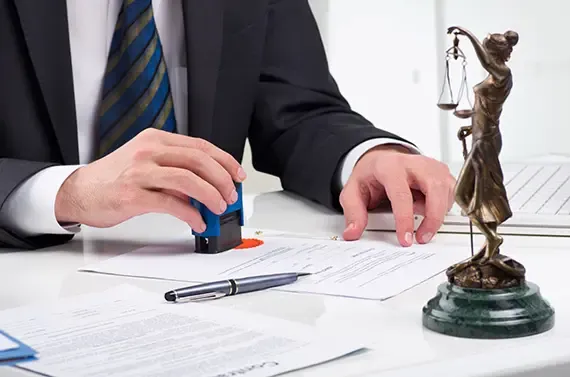
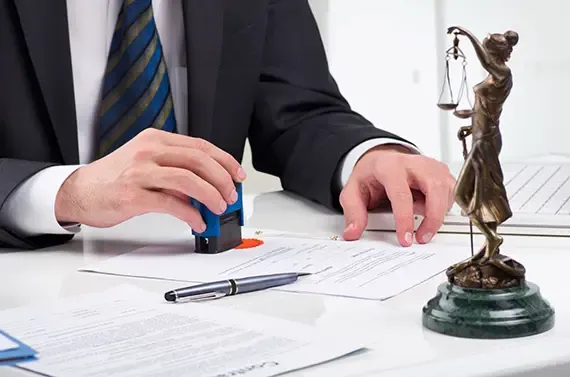
A sworn translation is generally accompanied by a statement from the sworn translator, in which they certify the accuracy of the translation and attest to their identity and professional competence. The translated document is then sealed, signed and stamped by the sworn translator, thereby conferring legal value on the translated document.
It should be noted that the requirements and procedures relating to sworn translation may vary from one country to another, depending on the regulations and legal practices of each jurisdiction. In common law countries, a certified translation is not produced by a sworn translator. In Switzerland, Belgium, Germany and Luxembourg, it is known as a sworn translation (traduction jurée).
Fields of application for sworn translation
In legal proceedings, it is essential for translating legal documents such as procedural acts or court decisions, witness statements, expert reports, powers of attorney, and so on. It ensures clear and precise communication between parties involved in disputes.
In the field of immigration, sworn translations are required for visa applications, immigration or naturalisation files. In these cases, the authorities require sworn translations of documents such as birth certificates, employment contracts, bank statements, and so on. This enables the relevant authorities to verify the authenticity of the information provided.
In international trade, they are used to translate commercial contracts, invoices, partnership agreements, certificates of origin, patents, financial reports, and other documents. It facilitates communication between businesses operating in different countries and assures business partners of the multilingual compliance of signed commitments.
Education and academic research also require the services of sworn translators, particularly for admission applications to educational institutions. In this case, the translation of diplomas, transcripts, theses and research articles is necessary. This ensures that academic information is accurately transferred from one language to another.
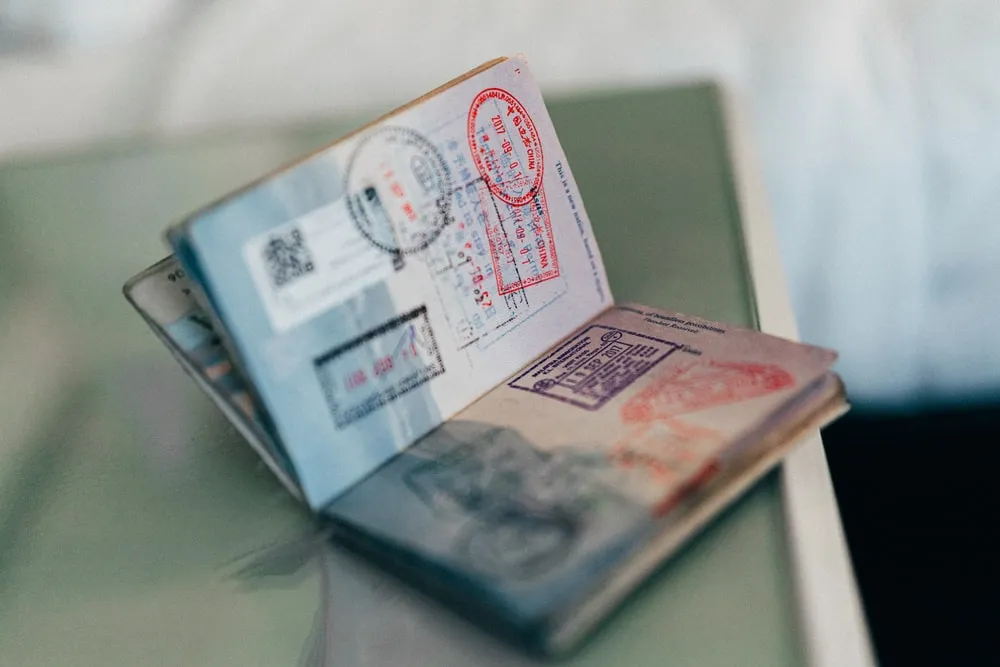
Finally, sworn translations are frequently used in public administrations to translate official documents such as passports, identity cards, marriage certificates, property deeds, driving licences, and so on, in order to facilitate exchanges between citizens and government institutions.
It should be noted that these fields are just a small sample of the many contexts in which sworn translation is required. In general, any situation where official documents need to be translated accurately and authentically can benefit from the expertise of a sworn translator. This guarantees compliance with legal requirements and enables smooth and fair communication between the parties concerned.
How to recognise a sworn translation
- Official stamp: It is accompanied by an official stamp affixed by the sworn translator to each page of the translated document. This stamp contains information such as the translator’s name, their swearing-in number, and sometimes the name of the competent authority that issued the swearing-in.
- Translator’s signature: The sworn translator also signs the translated document to certify their work. Their signature provides further validation of the translation and attests to their commitment as a sworn translator.
- Certification statement: A sworn translation is accompanied by a certification statement. This statement is written by the sworn translator and certifies that the translation is true to the original and that they have acted as a sworn translator in accordance with their professional obligations.
- References to sworn status: In some cases, it may include specific references to the translator’s sworn status, such as mentions of the court or body that issued the swearing-in, or legal references indicating the official recognition of the sworn translator.
- Additional security features: To ensure the validity of a translation.
When you receive a purported sworn translation, it is advisable to check these elements to ensure its authenticity and validity. In France, only translations carried out by judicial expert translators attached to the court of appeal or court of cassation are accepted. The validity is national. If you have any doubts, do not hesitate to contact the relevant authorities or organisations for further information about the sworn translator or to confirm the validity of the translation.
How to obtain a translation from a sworn translator
If you are looking for a sworn translator, there are various ways to get in touch with them, but they are often difficult to reach as they may be away, on holiday, or travelling. There are pseudo-directories full of errors, and associations grouping together the most expensive experts in the region. We recommend that you contact a legal and sworn translation agency, such as Alpis Traduction et Interprétation, which has a team of dedicated translators available all year round at optimised costs to suit your budget.
Renowned for providing competent and qualified sworn translators, we have been offering translation services in over 100 different languages for more than twelve years, giving you a wide range of options to meet all your needs—whether you require a sworn translation for your business or for personal use. Whether you need to translate legal documents, certificates, contracts, diplomas or any other type of official document, our team of expert linguists at Alpis Traduction is here to assist you.
To find out more about the services offered by our agency and to request a personalised quote, we invite you to get in touch today. Our team of professionals is at your disposal to answer any questions you may have about sworn translation. Contact Alpis Traduction et Interprétation to benefit from high-quality services delivered by competent and experienced translators.